

As global environmental regulations such as REACH and RoHS continue to tighten, polyurethane (PU) manufacturers are actively phasing out traditional heavy-metal catalysts—particularly mercury, lead, and conventional organotin compounds like DBTDL. Developed by Guangzhou Yourun Synthetic Material Co., Ltd., the CUCAT series non-toxic polyurethane catalyst line provides high-efficiency, eco-friendly catalytic solutions engineered to match or exceed the curing performance of hazardous legacy catalysts without compromising mechanical properties.
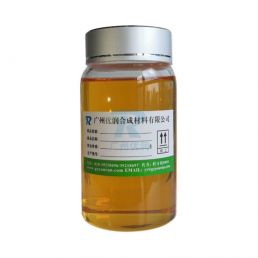
Why Transition to a Mercury-Free and Organotin-Free Polyurethane Catalyst?
In traditional polyurethane systems—especially cast elastomers, waterproof coatings, and two-component adhesives—phenylmercuric neodecanoate and dibutyltin dilaurate (DBTDL) were widely favored for their delayed induction period and rapid back-end cure. However, severe toxicity, environmental persistence, and strict regulatory restrictions have made these additives unsustainable for modern export-oriented manufacturing.
Switching to a mercury-free polyurethane catalyst or organotin-free PU catalyst solves three critical challenges for formulators:
Regulatory Compliance: Fully compliant with EU REACH, RoHS, and low-VOC standards for automotive, footwear, and construction applications.
Selectivity Control: Minimizes unwanted side reactions between isocyanate and trace moisture, significantly reducing pinholes and micro-bubbles in humid environments.
Operational Safety: Eliminates heavy-metal exposure risks on the production line and simplifies end-product waste management.
Key Advantages of the CUCAT Catalyst Series
Unlike generic metal carboxylates that often suffer from hydrolysis or inconsistent gel times, the CUCAT polyurethane catalyst series is formulated with tailored ligand structures to deliver precise reactivity control across diverse polyol-isocyanate systems (TDI, MDI, IPDI, and HDI).
Balanced Pot Life and Rapid Demolding: Provides an extended open working time for thorough mixing and complex mold filling, followed by a sharp viscosity build-up ("snap cure") for fast demolding.
Superior Hydrolysis Resistance: Maintains stable catalytic activity even in polyester polyol systems or high-humidity construction environments.
Low Odor and Non-Yellowing Performance: Ideal for aliphatic polyurethane topcoats, transparent potting compounds, and light-colored elastomers where color stability is critical.
| Performance Parameter | Traditional Mercury Catalysts | Conventional Tin (DBTDL / T-12) | Yourun CUCAT Series Catalysts |
| Toxicity & Compliance | Highly toxic; banned in most regions | Restricted under REACH (SVHC) | Non-toxic, heavy-metal-free, REACH compliant |
| NCO-OH Selectivity | Very high | Moderate (promotes water reaction) | High selectivity; suppresses CO2 bubbling |
| Pot Life vs. Cure Profile | Long pot life, fast back-end cure | Short pot life, steady cure | Tunable induction time with fast snap cure |
| Hydrolysis Stability | Good | Prone to hydrolysis in wet polyols | Excellent stability in polyether & polyester systems |
| Recommended Dosage | 0.1% – 0.5% | 0.05% – 0.3% | 0.05% – 0.5% (based on total formulation weight) |
Primary Industrial Applications
Depending on the specific grade within the CUCAT family, these catalysts are widely deployed across multiple polyurethane sectors:
Cast Polyurethane Elastomers (CPU): Industrial rollers, mining screens, wheels, and seals requiring high tear strength and zero internal voids.
PU Coatings & Waterproofing Membranes: High-solid two-component floor coatings, aliphatic topcoats, and roof waterproofing systems.
One-Component Polyurethane (1K PU) & 2K Adhesives: Structural bonding, synthetic leather resins, and electronic potting compounds.
Athletic Tracks & Sport Flooring: Solvent-free silicon PU and polyurethane binder systems requiring reliable curing across varying ambient temperatures.
Frequently Asked Questions (FAQ)
Q1: Can CUCAT catalysts directly replace DBTDL or mercury catalysts in existing formulations?Yes. In most two-component PU elastomer, coating, and adhesive formulations, CUCAT grades can serve as a direct drop-in replacement. Because reactivity depends on your specific polyol hydroxyl value and isocyanate index, we recommend minor dosage adjustments (typically starting at 0.1%–0.3% by total weight) during lab trials.
Q2: Does CUCAT cause foaming when trace moisture is present in raw materials?No. CUCAT catalysts are engineered with high selectivity toward the isocyanate-hydroxyl (gelling) reaction rather than the isocyanate-water (blowing) reaction. For systems with exceptionally high moisture sensitivity, pairing CUCAT with PU moisture scavengers guarantees a completely bubble-free cure.
Q3: How should CUCAT catalysts be stored to maintain optimal activity?Store in tightly sealed original containers in a cool, dry, and well-ventilated warehouse away from direct sunlight and moisture. Under proper storage conditions, the shelf life is 12 months.
Request Technical Data Sheets (TDS) and Free Lab Samples
Looking to upgrade your polyurethane formulation with a reliable, heavy-metal-free catalyst? Our technical engineering team provides tailored grade recommendations, TDS/MSDS documentation, and laboratory evaluation samples worldwide.
Contact Email: marketing@gzyourun.com
